A Beautiful Mind and the Support Behind Every Brilliant Career

The Pen Scene That Gets Me Every Time
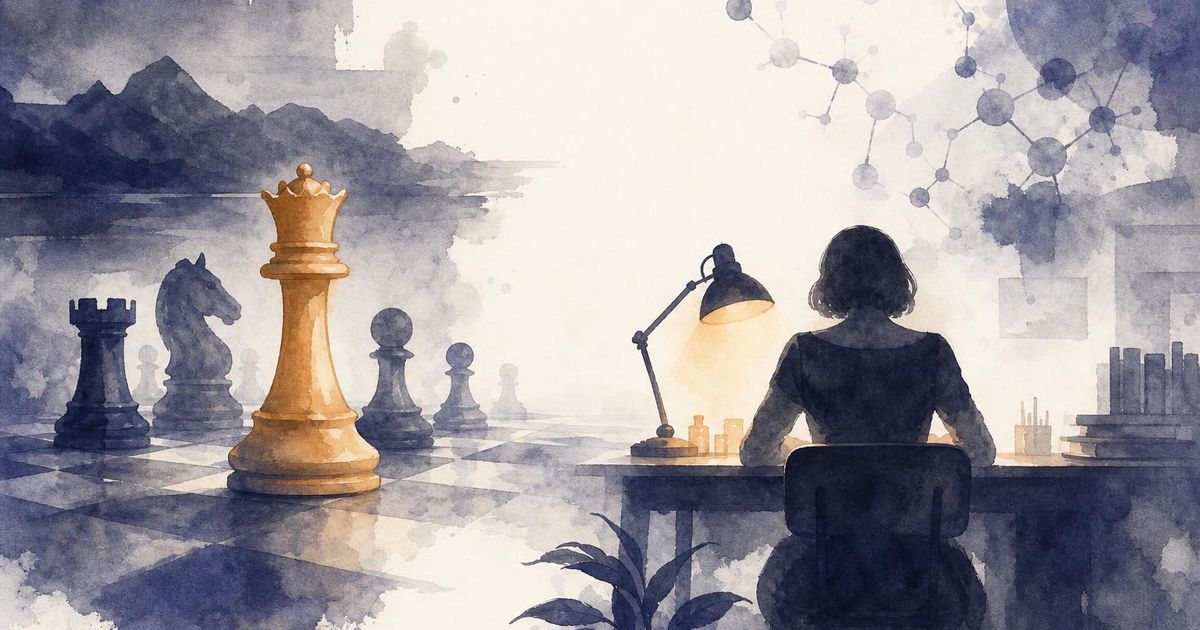
Near the end of A Beautiful Mind, there is a scene where Princeton faculty members walk up to John Nash one by one and lay their pens on the table in front of him. It is a gesture of respect. Recognition from his peers after decades of struggle.
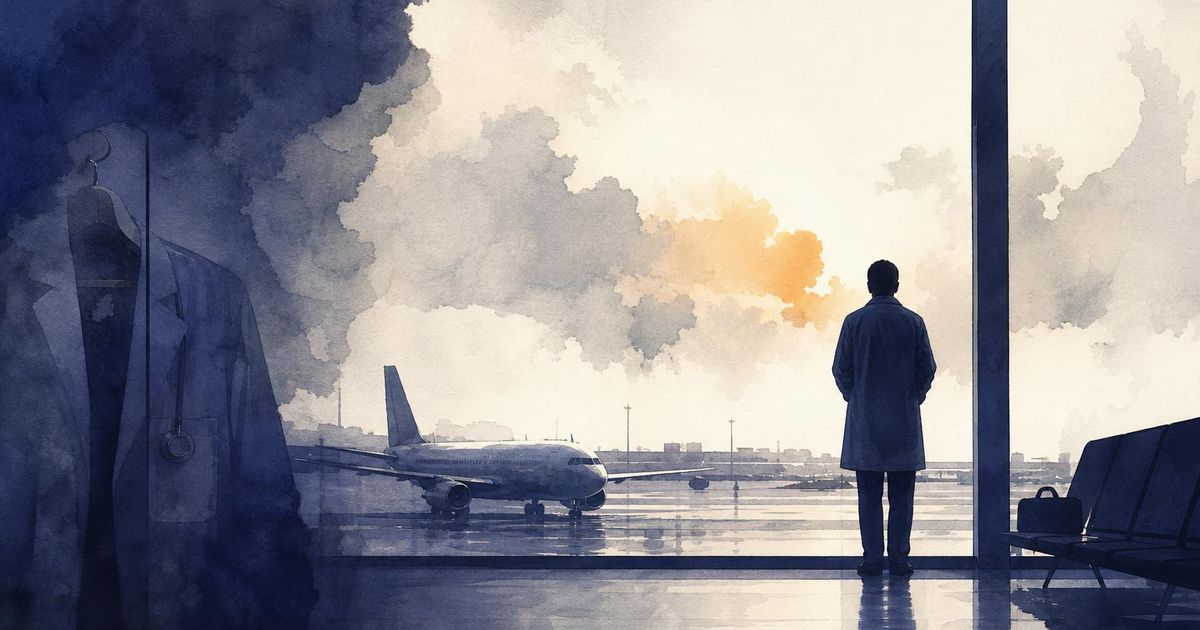
Every time I watch it, I think about the physicians I work with. Not because they share Nash's diagnosis. But because so many of them carry this quiet belief that they are supposed to figure everything out alone.
Brilliance Is Never the Whole Story
The film makes something clear that we tend to forget. Nash's genius did not save him. His equations did not pull him through the hardest years of his life.
Alicia did. His colleagues did. The community at Princeton that gave him space to keep working, even when things were falling apart — they did.
There is a moment earlier in the film where Nash is completely isolated, pinning newspaper clippings to the walls of a shed, chasing patterns no one else can see. He is brilliant in that scene. He is also completely alone. And he is losing himself.
That is not a metaphor I have to stretch very far to make it land in academic medicine.
The Myth of the Solo Genius
I talk to faculty members every week who are running on fumes. They are producing research, mentoring residents, seeing patients, sitting on committees. They are doing extraordinary work.
And most of them have no one in their corner asking, "How are you actually doing?"
Academic medicine rewards individual achievement. Grants with your name on them. First-author publications. Promotion packets that read like a highlight reel of solo accomplishments. The whole system reinforces the idea that you should be able to handle it on your own.
But Nash could not. And he is a Nobel laureate.
Asking for Help Is Part of the Equation
The turning point in the film is not a breakthrough formula. It is Nash accepting support. Letting Alicia in. Letting his colleagues see the full picture. That is when things start to shift.
I have seen the same thing happen with physicians I coach. The work does not get easier. But something changes when you stop carrying it alone. You get clearer. You make better decisions. You remember why you chose this career in the first place.
You Do Not Have to Be in Crisis
You do not need to be pinning clippings to a shed wall to benefit from support. Sometimes coaching is just a conversation with someone who gets the landscape of academic medicine and can help you see your own situation more clearly.
If that sounds like something you could use, I would be glad to talk. You can reach me here.