The Growing Gap Between What Physicians Are Trained to Do and What They're Asked to Do
A Curriculum That Stopped Matching the Job Description
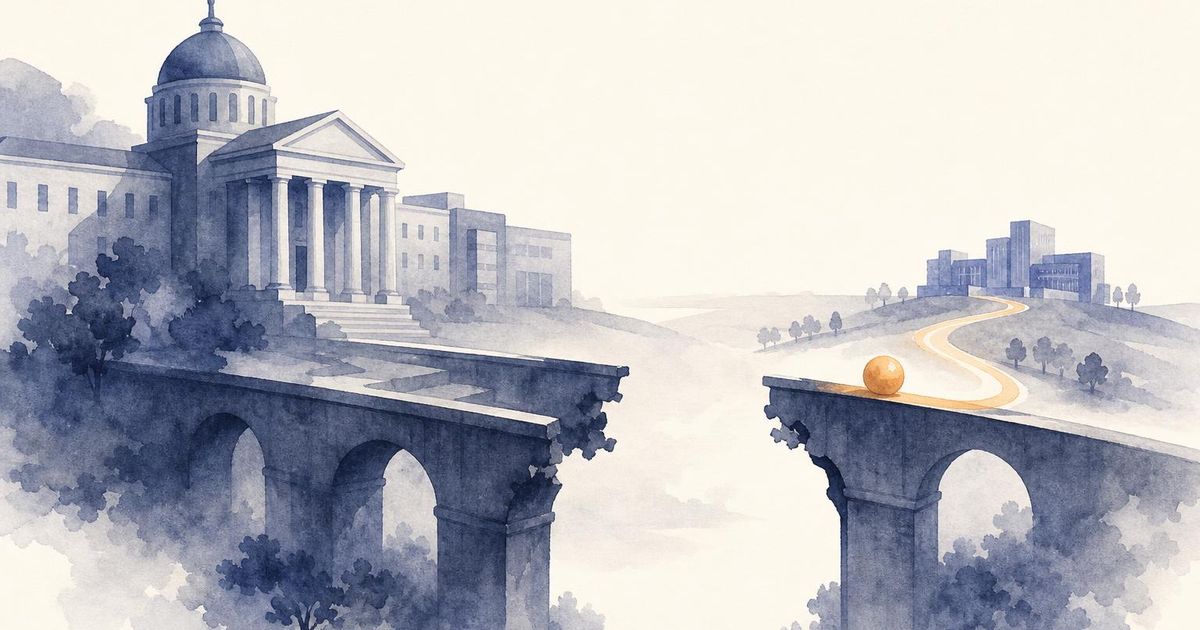
Here is something I keep hearing from the physicians I coach: "Nobody trained me for this part." The physician training gap is not a new complaint, but it is accelerating. What academic medicine actually demands of faculty — strategic planning, team leadership, budget oversight, conflict resolution, committee governance — was never part of the curriculum. The disconnect between physician expectations in academic medicine and the education that got them there is becoming impossible to ignore.
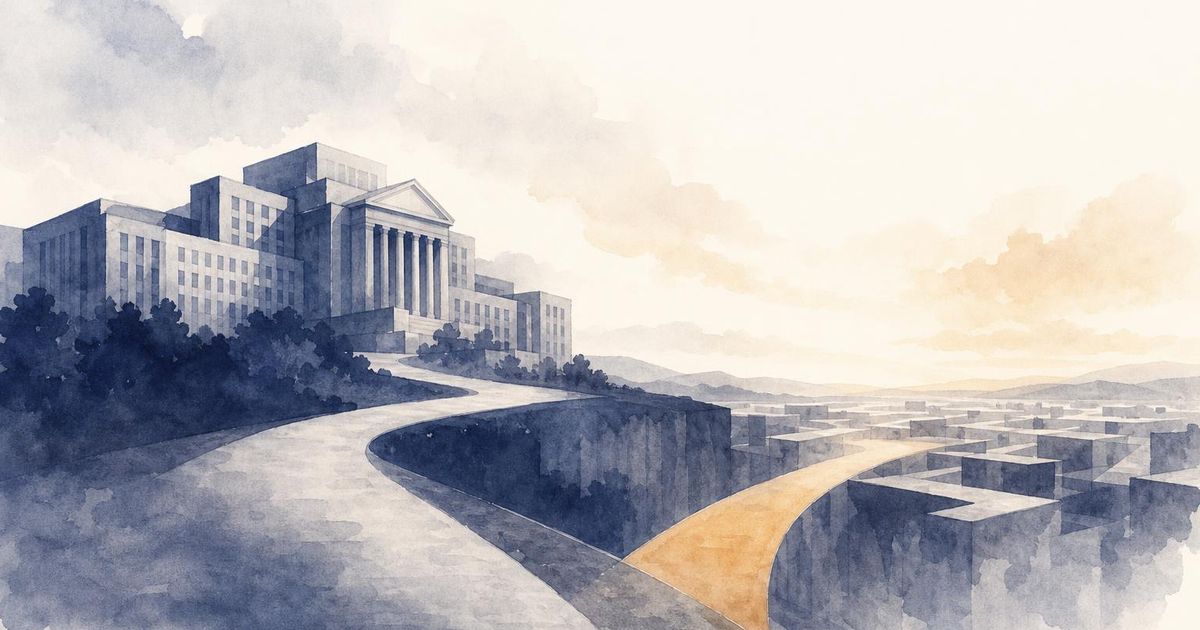
Medical school and residency are extraordinarily good at producing clinicians. The science is rigorous, the hours are punishing, and the clinical skills that emerge are genuinely world-class. But the job waiting on the other side, particularly in academic settings, has quietly shape-shifted into something far broader than clinical excellence alone.
The Role Keeps Expanding
A physician hired onto an academic faculty in 2029 is expected to see patients, yes. But they are also expected to teach, mentor, publish, secure grants, sit on institutional committees, navigate electronic health record optimization, lead quality improvement initiatives, and — increasingly — manage interdisciplinary teams that include advanced practice providers, data analysts, and administrative staff.
That is a staggering portfolio. And physician role expansion shows no sign of slowing. A 2023 report from the AAMC noted that faculty satisfaction is closely tied to whether physicians feel prepared for the non-clinical dimensions of their roles. Most do not. The training pipeline gives them a decade of science and clinical reasoning, then drops them into a job that is at least forty percent management, education, and institutional politics.
It reminds me of drafting a phenomenal point guard who has never been asked to call plays. The talent is there. The court vision is there. But nobody taught them how to run the offense.
Why This Gap Matters Now More Than Ever
Institutions feel the consequences even when they cannot name the cause. Faculty turnover is expensive. Disengaged physicians produce less scholarship and weaker teaching outcomes. Promising clinician-educators burn out not because the clinical work broke them, but because the administrative and leadership load caught them off guard.
Dr. Carol Dweck's research on growth mindset, outlined in Mindset: The New Psychology of Success, offers a useful frame here. Physicians who were rewarded for a fixed set of competencies — diagnostic skill, procedural mastery — suddenly find themselves in an environment that rewards adaptability, communication, and strategic thinking. The shift can feel destabilizing, and without support, many respond by either retreating into clinical work or leaving academic medicine altogether.
Coaching as the Bridge
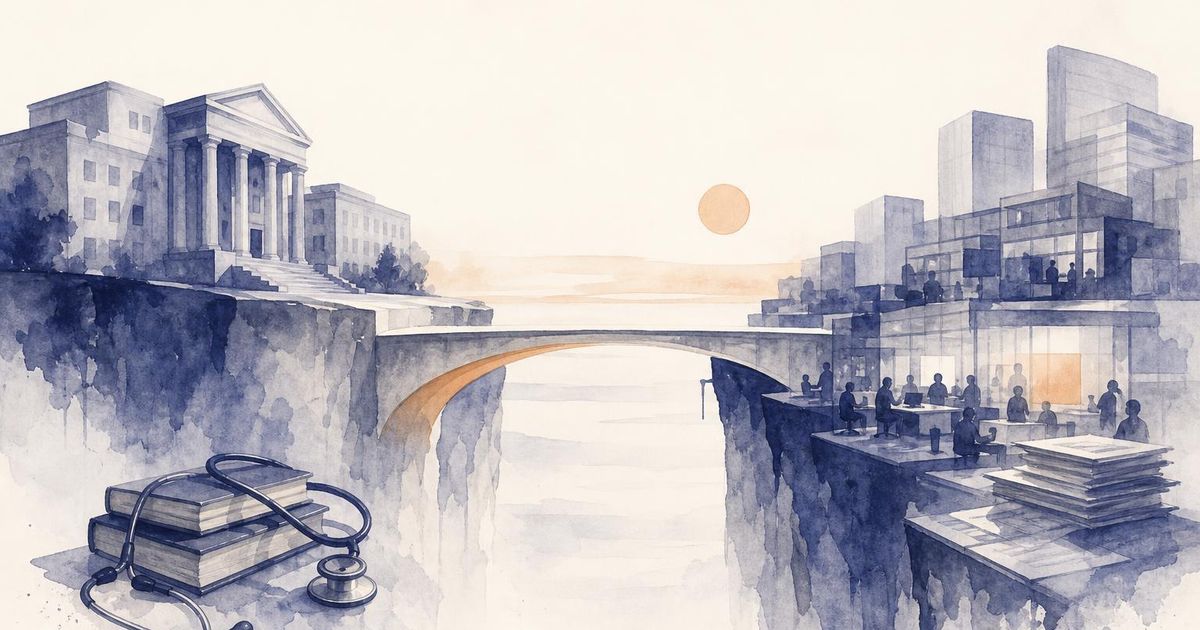
This is exactly where leadership and career coaching has begun to fill the gap. Not as a remedial tool, but as the missing developmental layer between clinical training and the full scope of an academic career.
When I work with a physician who has just been named division chief or asked to lead a new program, the first thing we usually do is name the gap out loud. They were not undertrained. They were trained for a different job than the one they now hold. That reframe alone is powerful. It moves the conversation from "What is wrong with me?" to "What do I need to learn next?"
Coaching helps physicians build the skills that medical education skipped: how to give difficult feedback, how to set boundaries with institutional leadership, how to advocate for resources, how to develop a professional identity that includes but is not limited to clinical work. These are learnable skills, and physicians — who are, by definition, exceptional learners — tend to pick them up quickly once someone actually teaches them.
Closing the Gap at the Institutional Level
The smartest academic medical centers are starting to recognize that orientation and a faculty handbook are not enough. They are investing in coaching, mentorship infrastructure, and leadership development programs that begin early in a faculty member's career rather than waiting until someone is already struggling in a leadership seat.
The physician training gap is not a failure of the physicians. It is a structural lag between how we prepare people and what we ask of them. Closing it requires acknowledging that clinical mastery, while necessary, is no longer sufficient — and then building the support systems that help faculty develop the rest.
Learn about coaching for departments.