Is the Physician-Scientist an Endangered Species?

The Pipeline Is Shrinking
For decades, the physician-scientist was the backbone of academic medicine. The person who could see a patient in the morning and run experiments in the afternoon. The bridge between the bedside and the bench.
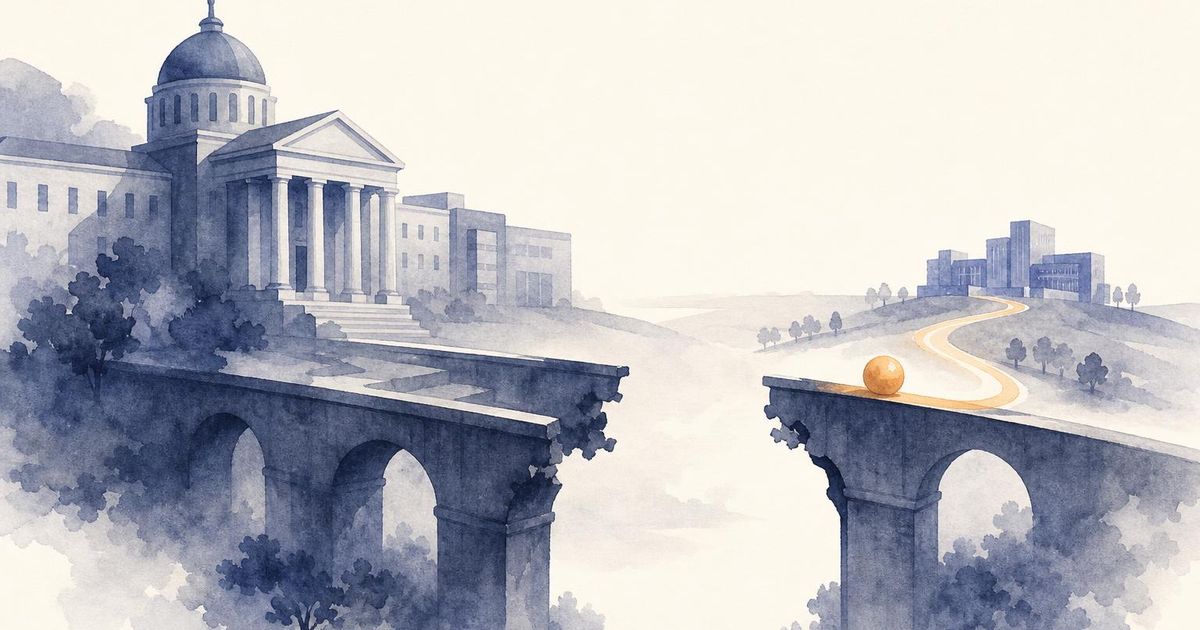
That bridge is crumbling. A 2024 report from the National Academies of Sciences laid out the numbers plainly. The proportion of physicians who receive NIH funding has been declining for years. The average age at which a physician-scientist lands their first R01 grant is now over 45. And fewer MD-PhD graduates are staying in research-intensive careers.
This is not a blip. It is a trend with real consequences.
Why They Are Leaving
I coach physicians across the spectrum of academic medicine, and the ones trying to maintain research careers tell remarkably similar stories. The math does not work. Clinical demands keep expanding. Protected research time keeps shrinking. And the grant funding environment feels like a lottery where the odds get worse every cycle.
Many of them do not quit research because they want to. They quit because the system makes it nearly impossible to sustain. When your RVU targets keep climbing and your NIH payline keeps dropping, something has to give. Research is almost always what gives.
The emotional toll is real too. These are people who spent a decade or more in training specifically to do translational work. Walking away from that identity is not a career adjustment. It feels like a loss.
The Institutional Blind Spot
Here is what frustrates me. Most academic medical centers say they value the physician-scientist. It is in their mission statements. It is in their strategic plans. But when you look at how they actually allocate time, resources, and incentives, the message is different.
Clinical revenue drives the budget. Research is treated as a nice-to-have until it brings in a major grant. And the faculty member stuck in the middle, trying to do both, gets squeezed from both sides with no one helping them navigate the tradeoffs.
Institutions are inadvertently selecting against their own stated priorities. They recruit physician-scientists and then create conditions that push them out of research.
What This Means for the Future
If the pipeline keeps thinning, academic medicine loses something it cannot easily replace. Physician-scientists are the ones who translate clinical observations into research questions and turn discoveries into treatments. Without them, the gap between the lab and the patient widens.
It also changes the character of academic medical centers. When research becomes the domain of a shrinking elite rather than a core faculty activity, the culture shifts. Teaching becomes less inquiry-driven. Clinical practice becomes less connected to innovation. The institution starts to look a lot more like a community hospital with a university logo.
That is not a criticism of community hospitals. It is a recognition that academic medicine is supposed to offer something different. And that difference depends on people who can live in both worlds.
This Is a Coaching Problem, Not Just a Funding Problem
More NIH dollars would help. So would better institutional protections for research time. But those are systemic changes that move slowly. What I see in my coaching work is that the individual physician-scientist needs support right now.
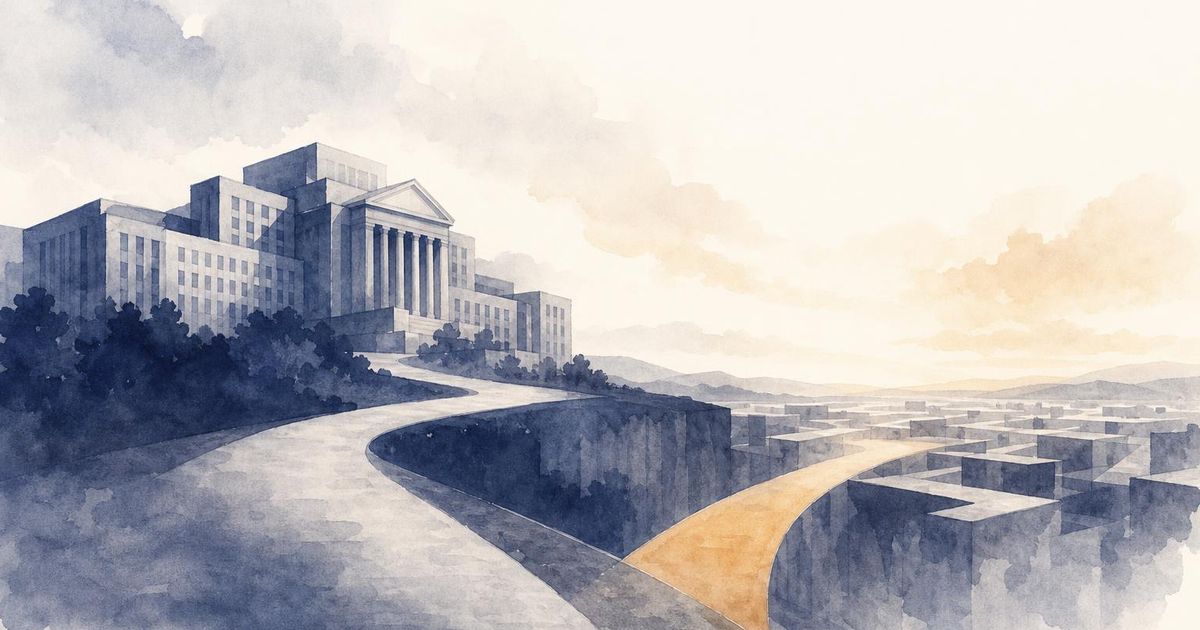
They need help making strategic decisions about where to invest their limited time. They need someone to think with about whether to pursue that K award or pivot to a different funding mechanism. They need honest conversations about what a sustainable career actually looks like when the traditional model is breaking down.
Most of all, they need to stop trying to figure this out alone. The physician-scientist path was never easy. But it has become genuinely harder, and pretending that grit alone will carry you through is not a strategy.
The Species Does Not Have to Go Extinct
I am not ready to write the obituary for the physician-scientist. But I am convinced that the ones who survive and thrive will be the ones who get intentional about their career strategy instead of just grinding harder.
That means asking for help. It means rethinking assumptions about what a research career has to look like. And it means having a thinking partner who understands the landscape and can help you see options you might be missing.
If you are a physician-scientist wondering whether this path is still viable for you, I would welcome that conversation. The answer might surprise you.