Academic Medicine in the Post-Pandemic Era
We Are Not Going Back
I hear this phrase a lot from the faculty I coach. We are not going back to how things were. They say it with a mix of grief and relief. Sometimes in the same sentence.
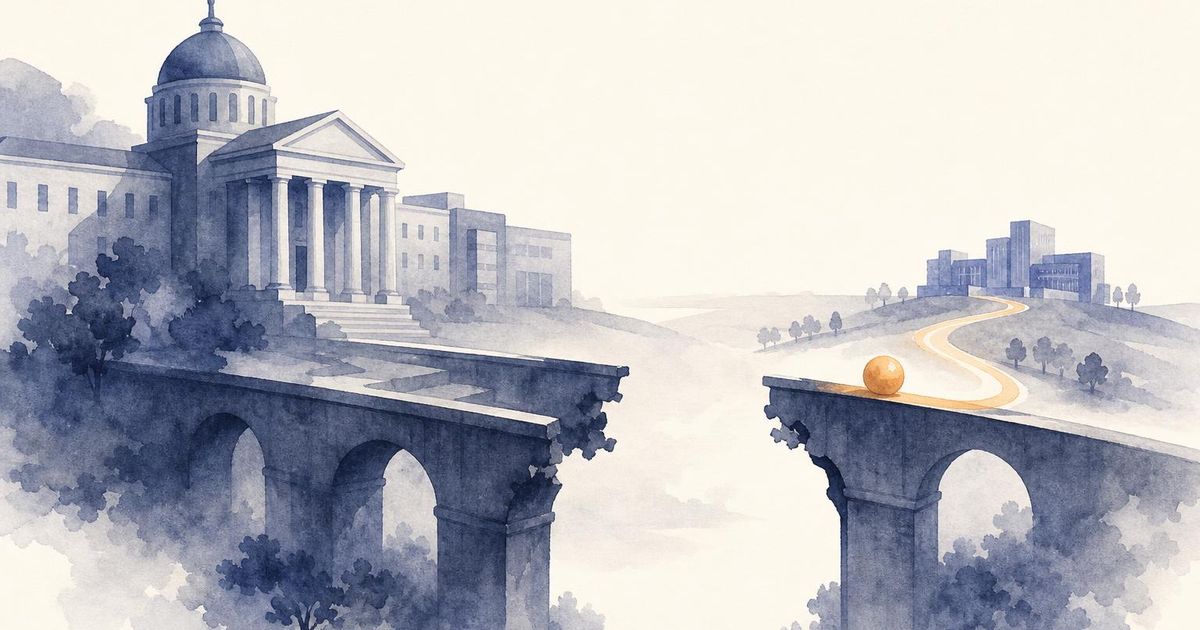
They are right. The pandemic did not pause academic medicine. It permanently restructured it. And the sooner we stop treating the last few years as an interruption, the sooner we can make clear-eyed decisions about what comes next.
The Workforce Shifted Under Our Feet
The numbers tell a stark story. A 2022 survey from the Association of American Medical Colleges documented widespread faculty attrition across academic medical centers during and immediately after the pandemic. Experienced clinician-educators left. Researchers paused programs. Early-career faculty watched their mentors disappear.
What replaced them was not nothing. But it was different. New hires came in with different expectations around flexibility, workload, and work-life boundaries. Institutions that have not adjusted to those expectations are struggling to recruit and retain.
If you are a department chair still running a 2019 playbook, your best people are already looking elsewhere.
Burnout Became the Baseline
Before the pandemic, burnout in academic medicine was a growing concern. After the pandemic, it became the default setting. The physicians I work with are not burned out because they are weak or because they chose the wrong career. They are burned out because the systems around them broke and never got rebuilt.
Tait Shanafelt and his colleagues at Stanford have been sounding this alarm for years. Their research consistently shows that burnout is a systems problem, not an individual one. The pandemic proved them right on a massive scale. Institutions that responded with pizza parties and resilience workshops instead of structural change lost credibility with their faculty. In many cases, they lost the faculty too.
The Mission Got Harder
Academic medicine has always asked people to do three jobs at once. Clinician, researcher, educator. The pandemic added a fourth. Crisis responder. And even though the acute crisis has passed, the aftershocks have not.
Clinical volumes surged as patients returned with deferred care. Research timelines compressed as funders demanded faster results. Teaching shifted to hybrid formats that nobody was trained to deliver. The tripartite mission did not shrink. It expanded. But the support structures did not expand with it.
What Actually Helps Now
Here is what I see working for the faculty who are navigating this well. They are making deliberate choices instead of trying to do everything. They are renegotiating their effort allocations with their chairs. They are building boundaries that their pre-pandemic selves would have thought impossible.
They are also getting honest about what they want. The pandemic gave a lot of people permission to ask whether the path they were on was actually the path they wanted. That kind of reckoning is uncomfortable. It is also one of the most productive things a faculty member can do.
The Institutions That Adapt Will Win
The academic medical centers that thrive in this new era will be the ones that stop pretending things are going back to normal. They will invest in faculty development. They will redesign workloads. They will treat coaching and mentorship not as perks but as infrastructure.
The ones that do not will keep losing good people to institutions that figured it out faster.
Moving Forward on Purpose
If the pandemic changed how you think about your career, you are not alone. Most of the physicians I talk to are in some version of that conversation. The question is whether you process it alone or with someone who can help you think strategically about what comes next.
I work with faculty across the country who are rebuilding their careers on their own terms. If that sounds like a conversation worth having, check out our blog for more on navigating academic medicine today.