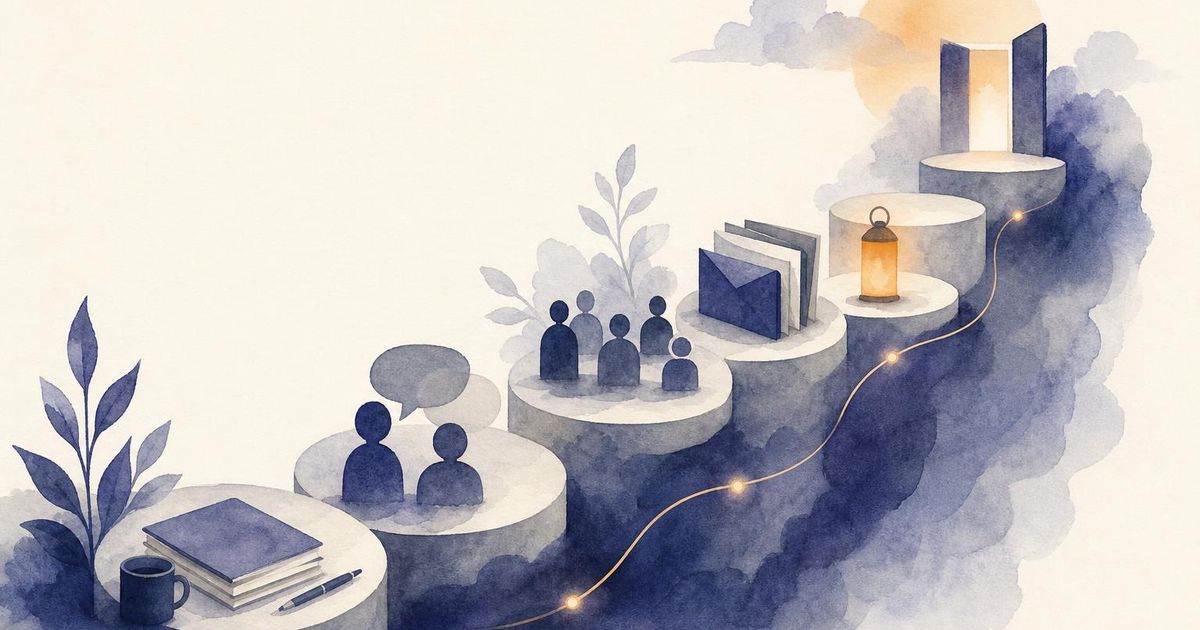
How to Build a Research Collaboration Network That Actually Works
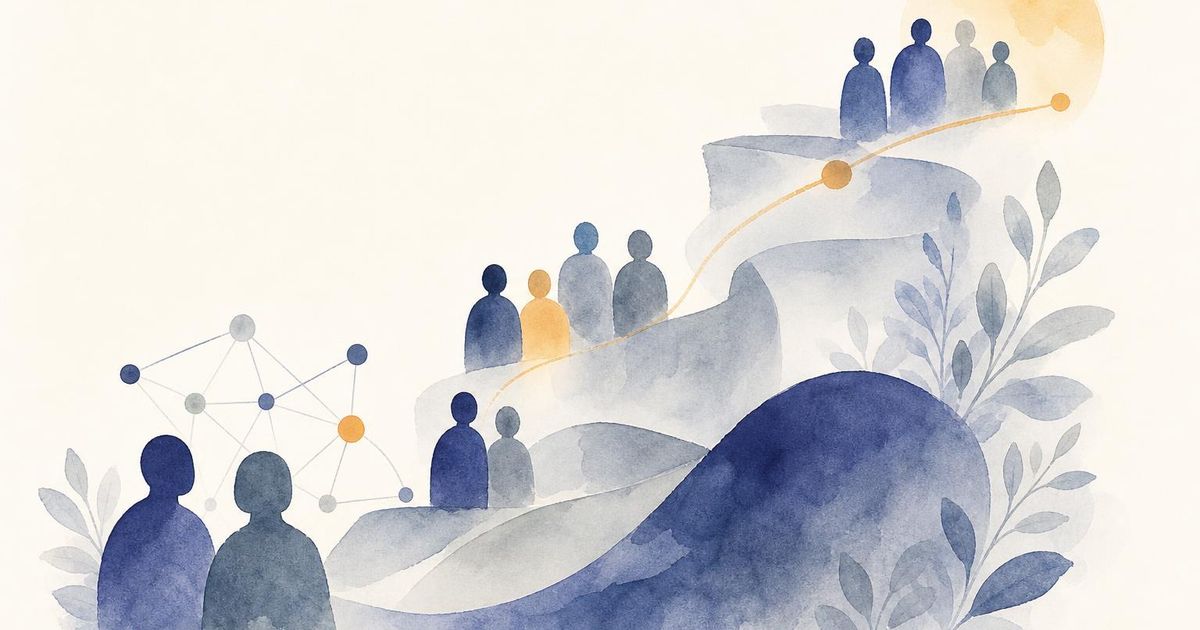
You Can't Do It All Yourself
I talk to a lot of early- and mid-career faculty who believe they need to generate every research idea, run every study, and publish every paper with their name at the center. They think that's how you build a reputation.
It's not. That's how you burn out and plateau.
The faculty I work with who sustain productive research careers over decades have one thing in common: they build collaboration networks intentionally. Not accidentally. Not by waiting for someone to come to them. They treat relationship-building as a core professional skill, right alongside grant writing and data analysis.
Why Collaboration Beats Solo Work
The evidence here is pretty clear. A 2007 analysis by Wuchty, Jones, and Uzzi published in Science found that team-authored research has increasingly dominated solo work in terms of both output and impact. Multi-author papers receive more citations. Multi-institutional projects attract more funding. The trend has only accelerated since then.
Look at the faculty in your own department who consistently land grants. They almost always have collaborators at other institutions who bring complementary skills -- a biostatistician here, a qualitative researcher there, a clinical trialist who opens doors to patient populations you'd never access alone.
Start With What You Actually Need
Most people approach research collaboration backward. They meet someone interesting at a conference, agree to "do something together," and then never follow through because neither person had a real plan.
Flip it around. Start by mapping the gaps in your own research program. What methodological expertise do you lack? What datasets would strengthen your work? What clinical populations would expand your questions? Write these down. Be specific.
Once you know what you need, you'll start noticing potential collaborators everywhere -- in the papers you're reading, on the panels at conferences, even down the hall from your office.
Think Like a Point Guard
Here's my one sports analogy for this post, but it's a good one. The best point guards in basketball don't try to score every point. They see the whole court. They know who's open, who has the hot hand, who needs the ball in a certain spot to be effective. They make everyone around them better.
That's exactly what the best research collaborators do. They connect people. They see how one colleague's dataset could answer another colleague's question. They introduce a junior investigator to a senior mentor who can open doors. They think about the team, not just their own stats.
When you become known as someone who connects people generously, people want to collaborate with you. That reputation compounds over time.
Practical Steps to Build Your Network
Go to the same meetings year after year. Don't spread yourself across ten conferences. Pick two or three that align with your research interests and become a regular. Familiarity builds trust, and trust is the foundation of every productive collaboration.
Co-author a review article. If you want to test a potential collaboration before committing to a grant, try writing a review article or commentary together. It's lower stakes than a funded study, but the process will tell you a lot about how the other person works, communicates, and handles deadlines.
Join a multi-site research network. Organizations like PCORnet, CTSA hubs, and specialty-specific consortia exist specifically to facilitate collaboration. They lower the activation energy of finding partners and provide infrastructure that makes multi-institutional work feasible.
Make the first move. Send an email to someone whose work you admire. Reference a specific paper. Ask a specific question. Propose a specific idea. Generic messages get ignored. Specific ones get answered.
Protect the relationship after the project ends. The most valuable collaborations are not one-and-done. After you finish a paper or a grant cycle together, stay in touch. Share relevant articles. Invite them to give a talk. Ask about their current projects. The ongoing relationship is worth far more than any single publication.
Don't Wait Until You Need Something
The biggest mistake I see faculty make with research networking is treating it as a crisis response. They start looking for collaborators only when a grant deadline is looming or a tenure clock is ticking. By then it's too late to build real trust.
Start now, even if you don't have a specific project in mind. The best collaboration networks are built slowly, through repeated contact and genuine mutual interest. When the right project does come along, you'll already have people you trust -- and who trust you -- ready to work together.
Research collaboration is one of those things that sounds simple but takes real intentionality to get right. If you're trying to figure out how to build or strengthen your research partnerships, if you'd like to learn more, contact us to schedule a time to chat.